

01 Background
When a major incident hits a transport network, the first minutes decide everything. Operations, maintenance and support each hold a piece of the picture, scattered across ticketing tools, asset systems and chat. The coordination thread lives in people's heads, and the incident report is written long after the dust has settled — from memory.
02 The brief
Give every major incident a single coordination thread, from the first alert to the closure report. The agent had to read incident tickets and asset history live, keep operations and maintenance aligned on the current next step, and draft the incident report as events unfold — so it is ready the moment the incident closes.
03 The solution
An AI agent that opens one thread per major incident and orchestrates it end to end. It connects to the incident system and the maintenance and asset system, reads the live state, surfaces the next step, and assembles the report as the incident runs. B One designed the agent, the integrations and the orchestration, and delivered a working proof of concept in 2026.
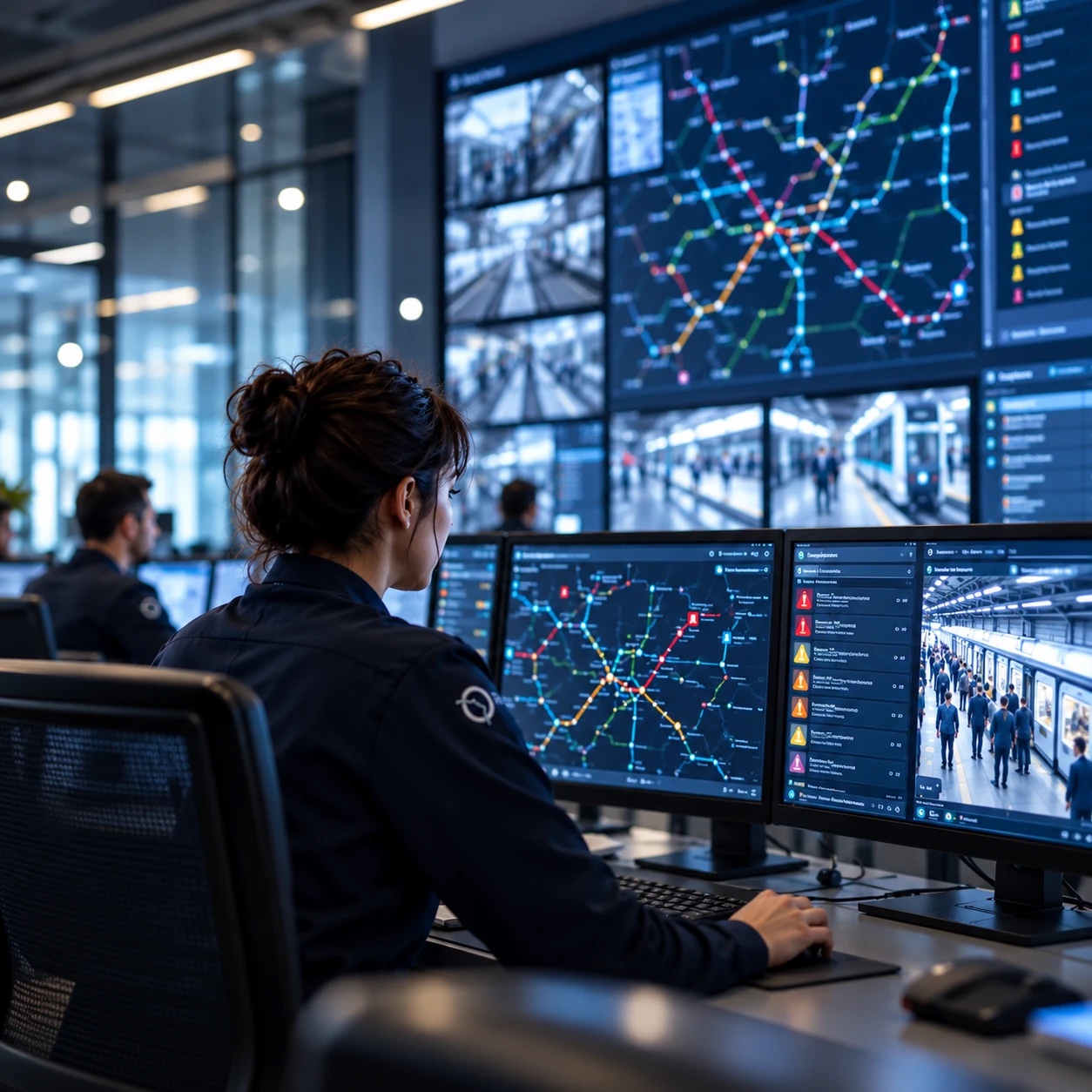
The control room
One thread, in real time.
Operators no longer hop between tools to understand what is happening. The agent keeps one live thread per incident — the current state, the next step and the draft report in one place — so the team can act while the picture is still forming.
The pillars
One incident, one thread.
01
One thread per incident.
A single coordination space opens on the first alert and stays live until closure, so operations and maintenance read the same current next step instead of chasing it across tools.
02
Connected to the source systems.
The agent reads incident tickets and asset history live from the systems of record. No copy-paste, no stale snapshots — the thread always reflects the real state of the network.
03
The report writes itself.
Every decision and action is captured as it happens, so the incident report is assembled while the incident runs — ready to share the moment it closes.
Scope of work